Monsoon Reaches Halfway Mark: Bumpy Road Likely Ahead

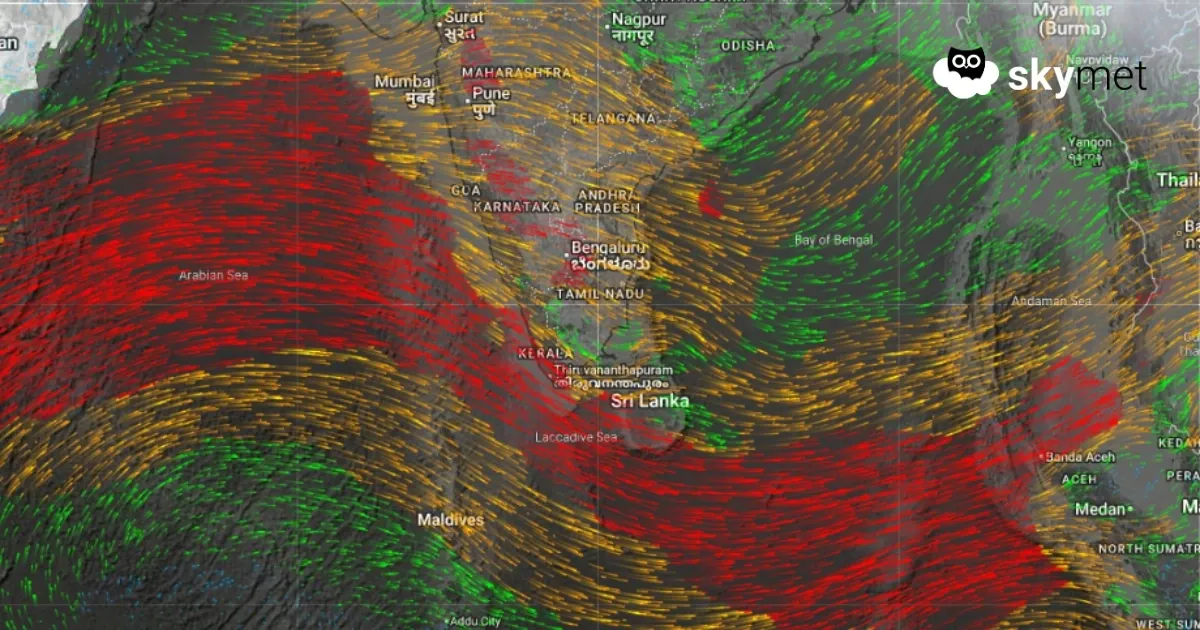
Map: Skymet
Key Takeaways:
- July offset much of June's poor performance, but India still carries a seasonal rainfall deficit of around 12%.
- The rainfall-deficient area has reduced from nearly 60% of the country in June to below 40%.
- IMD, ECMWF and NOAA all indicate an increased likelihood of below-normal rainfall during August and September.
- A strengthening El Niño may suppress rainfall across India's core monsoon belt during the second half of the season.
- Forecast Validity: Till next update on Monsoon.
The Southwest Monsoon has reached its halfway mark, with June and July delivering sharply contrasting performances. While June proved to be a major disappointment, July emerged as the season's saviour, helping the first half of the monsoon conclude on a relatively improved note.
June ended with a massive rainfall deficit of 35.4%, whereas July nearly balanced the books with a marginal 1% surplus. Despite this recovery, the monsoon still remains behind schedule. As of the halfway stage, the country is carrying a 12.6% seasonal rainfall deficit, broadly corresponding to mild drought conditions in several regions.
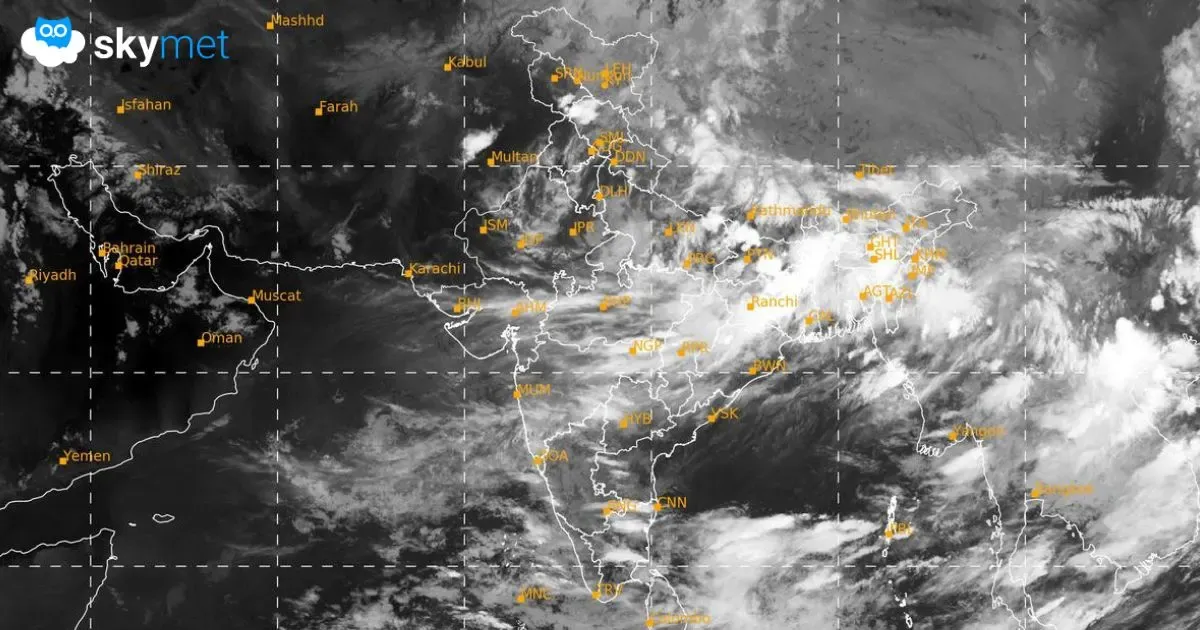
The silver lining is that the rainfall-deficient area has reduced significantly. Nearly 60% of the country was rainfall deficient during June, but that figure has now shrunk to below 40%. Even so, concerns remain, as the outlook for the remaining monsoon season is far from reassuring. Both August and September carry a heightened risk of underperforming, raising questions over whether the seasonal deficit can be recovered.
July's turnaround was remarkable but far from smooth. The month witnessed dramatic fluctuations in rainfall. The national seasonal deficit improved from nearly 40% to 14%, only to widen again to around 24% by the middle of July, before improving once more by the month's end. Such sharp swings underline the uneven nature of this year's monsoon and suggest that the first half of the season cannot be considered entirely satisfactory.
Forecasts for the second half of the monsoon differ in detail but broadly agree on one point—the rainfall is likely to remain below normal.
The India Meteorological Department (IMD) has projected below-normal rainfall (less than 94% of the Long Period Average) during both August and September, although it has not specified monthly percentages.
Global forecasting agencies, including the European Centre for Medium-Range Weather Forecasts (ECMWF) and NOAA's Climate Prediction Center (CPC), present an even more concerning outlook. Their latest guidance suggests that the core monsoon rainfall belt over Central India, West India and the Western Ghats may gradually weaken and shift northward towards the Himalayan foothills, extending across parts of Uttar Pradesh, Bihar and Northeast India. Such a pattern is typically associated with weak or break-monsoon conditions.
Under these circumstances, another rainfall zone may develop over Tamil Nadu, Puducherry and South Coastal Andhra Pradesh, influenced by a low-pressure system over the western Bay of Bengal, popularly known as the Koteswaram Low.
Between June 1 and August 4, 2026, India has recorded a cumulative rainfall deficit of 57 mm, translating to a seasonal shortfall of about 12%. During the first half of August, the country's normal daily rainfall ranges between 8.5 mm and 9.0 mm. However, rainfall is expected to remain below this average over the coming days, which could allow the seasonal deficit to increase further through mid-August.
Another emerging concern is the steady strengthening of El Niño over the Pacific Ocean. Global climate models indicate that its influence is likely to become more pronounced during the second half of the season, potentially suppressing rainfall across India's core monsoon-dependent regions and making recovery increasingly difficult.
Trending: