June Ends With Large Deficit Rainfall: July To Start On Decent Note

Key Takeaways:
- India recorded only 99.5 mm rainfall in June against the normal of 165.3 mm.
- June 2026 became the lowest June rainfall month since 2014.
- Lack of Bay of Bengal systems and emerging El Niño conditions weakened the monsoon.
- July rainfall activity is expected to improve significantly across many parts of India.
- Forecast Validity: July 1–10, 2026
Month of June has ended on a disappointing note, with all four homogeneous regions registering below-normal rainfall. The country recorded a total of 99.5 mm rainfall against the normal of 165.3 mm, observing a pan-India shortfall of 40% rainfall. This happens to be the lowest June rainfall after 2014. The lowest-ever rainfall in June was recorded in 2009 (87.6 mm), which was also a drought year attributed to El Niño. The month had ended with a deficit of 52% rainfall. However, the month of July had performed better and achieved normal rainfall. In 2014, another drought year, the month of June registered total rainfall of 92.8 mm, with a deficit of 43%, and the month of July also had a shortfall of 10% rainfall. In the same context, the El Niño year 1997 witnessed normal monsoon rainfall of 102% of LPA. During that year, the month of June had a surplus of 10% rainfall.
There were multiple factors contributing towards the failure of June 2026. There was no monsoon system, otherwise considered the main trigger, emerging over the Bay of Bengal. The Madden-Julian Oscillation was never placed favourably over the Indian Seas to push the monsoon current. The commencement of the El Niño cycle, as such, had dampened the monsoon flow across the Indian Seas. The tropical easterly jet over South Peninsula, in the upper tropospheric levels and considered the flag bearer for the intensification of monsoon, remained missing.
Plenty of hopes are pinned on July for a strong recovery, more so for the farming community. The first fortnight of July looks promising for many parts of the country, especially the rainfed areas of the core monsoon zone. This may boost sowing of Kharif crops, which had taken a considerable dip across the country.
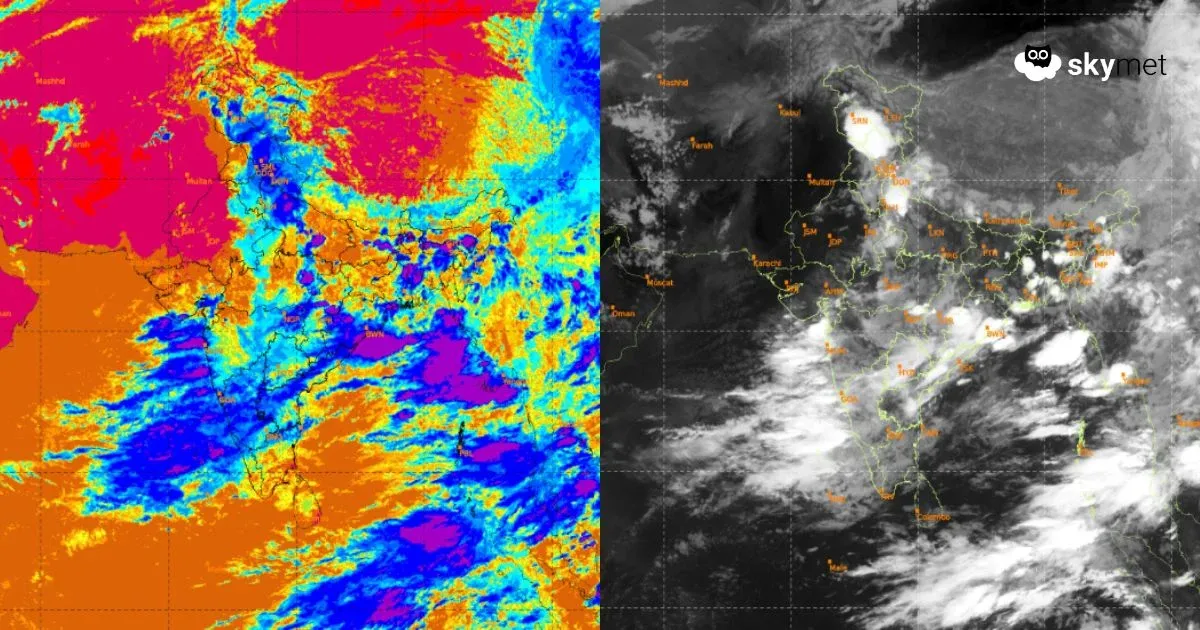
A low-pressure area is likely to form over North Bay of Bengal. There will be two more supporting factors for enhancing rainfall: the seasonal monsoon trough across the Indo-Gangetic plains and the off-shore trough along the Western Ghats. A western disturbance over Northwest India will also pull the monsoon current over the leftover parts of the country during the next week or so. Southwest monsoon is expected to cover the entire country on or before July 10, 2026.
Trending: