Pre-Monsoon Activity Over Most Parts Of Country: No Heat Wave Likely In March

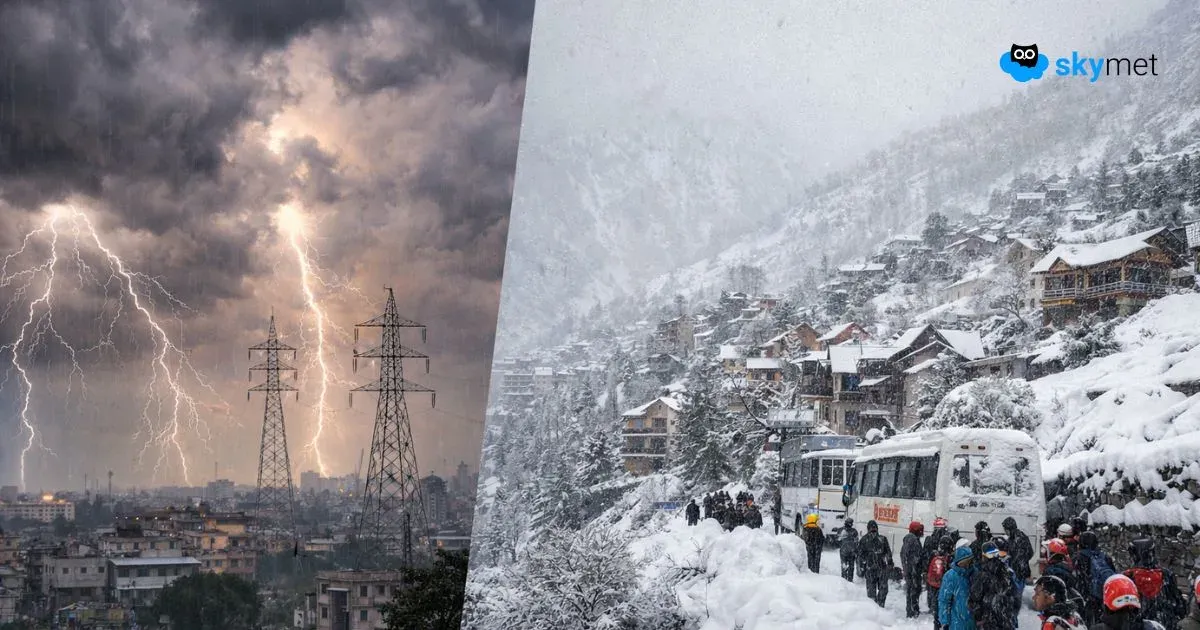
Representational Image: AI-Skymet
Key Takeaways:
- Early March heat eased across most parts of India after the recent weather activity.
- Western disturbances will keep the North Indian hills active for about a week.
- Thunderstorms may affect North India between March 18 and 20.
- Pre-monsoon storms in Vidarbha and Madhya Pradesh may bring relief from extreme heat.
Many parts of the country experienced an early surge of heat during the first half of March. Heat wave conditions developed over Gujarat, parts of Maharashtra, and a few places in Odisha. Coastal city Mumbai witnessed unusual heat wave conditions twice during the first half of March. Temperatures crossed 40°C much earlier than the normal time of the season. However, weather conditions have now improved over most parts of the country.
Mountains of North India experienced unseasonal snowfall in the mid-reaches. The barren landscape observed earlier during the winter months has now been blanketed with snow. The sudden change in weather left many tourists stranded without shelter, particularly in Himachal Pradesh. Similar weather activity is expected to continue over the hills during the next one week.
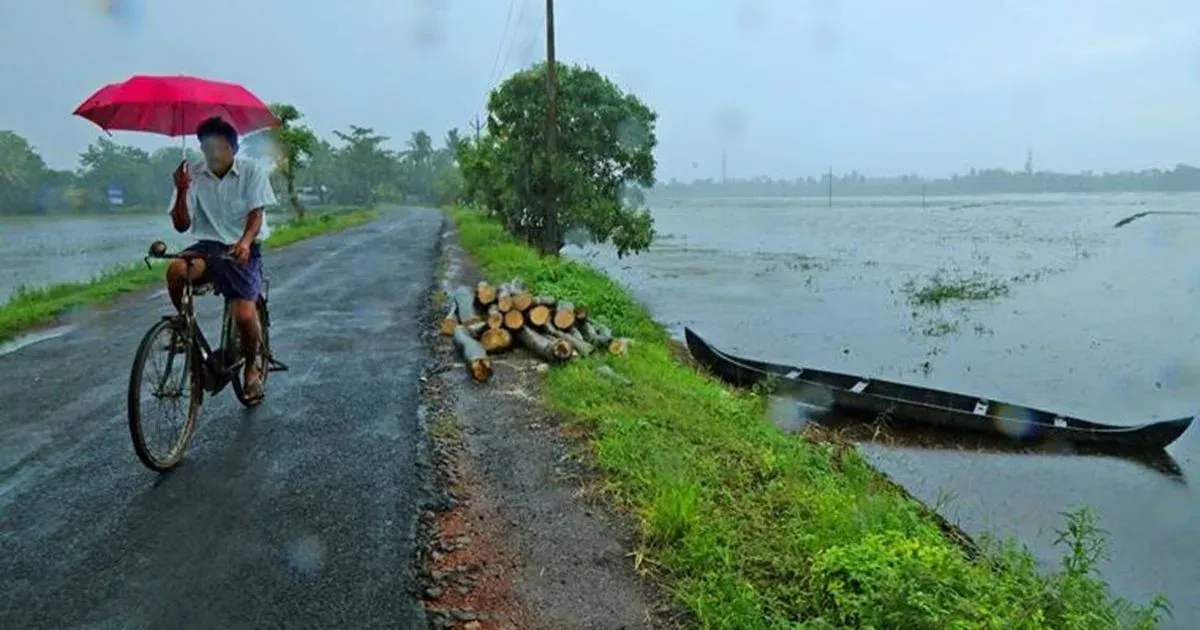
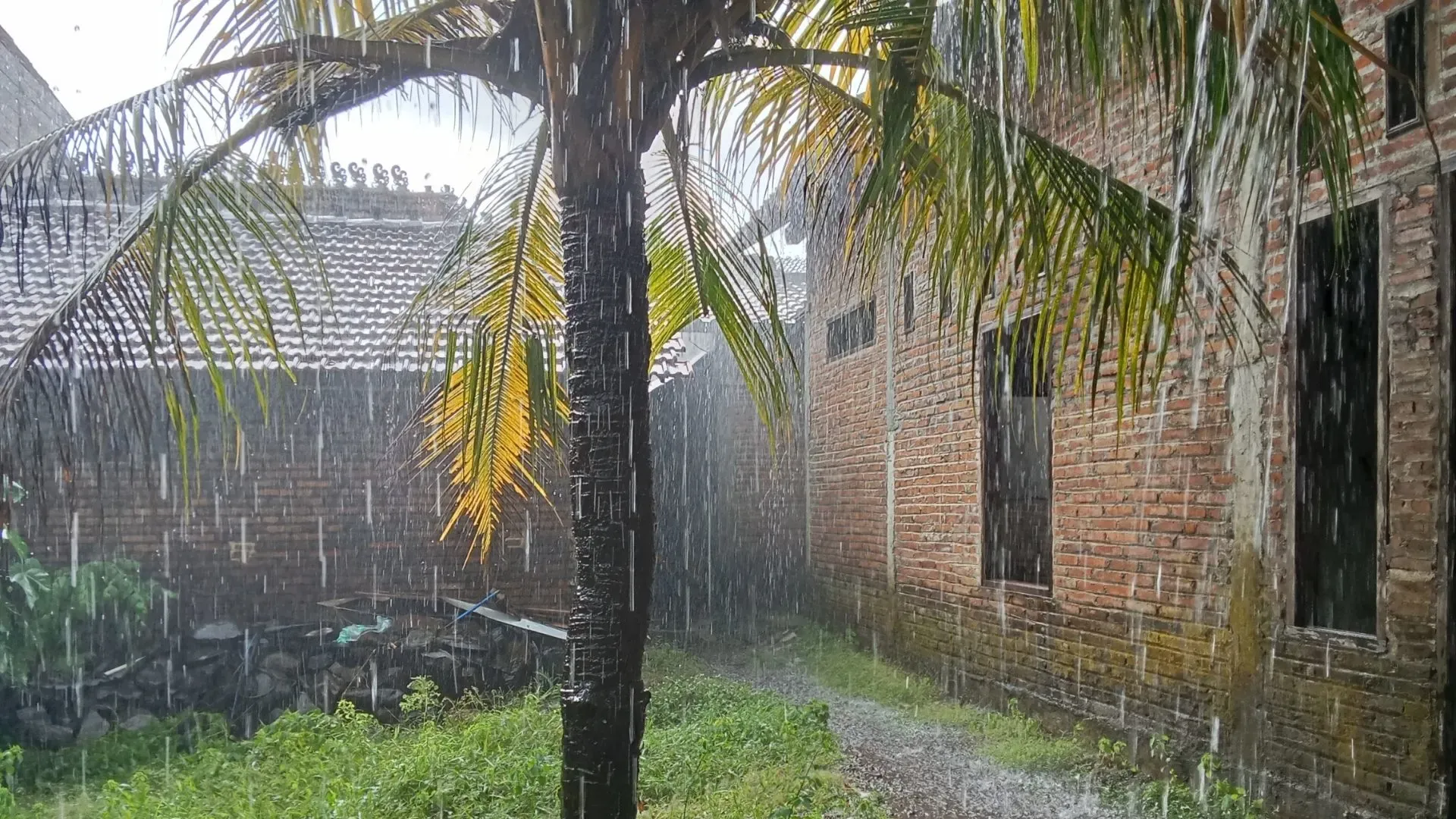
Pre-monsoon activity across several regions has helped check the rising heat. No sharp rise in temperatures is expected in any state of India in the coming days. Instead, day temperatures may drop across many parts of the country during the next three to four days and then remain stable. The remaining days of March are unlikely to witness any major inclement weather conditions.
The hilly states of North India will continue to be affected by westerly systems during the next one week. Northeast India will also remain under the influence of active weather systems, with fresh areas of intense activity expected during the next five to seven days. The greater risk zone includes Lower Assam, Meghalaya, Sikkim, and Sub-Himalayan West Bengal.
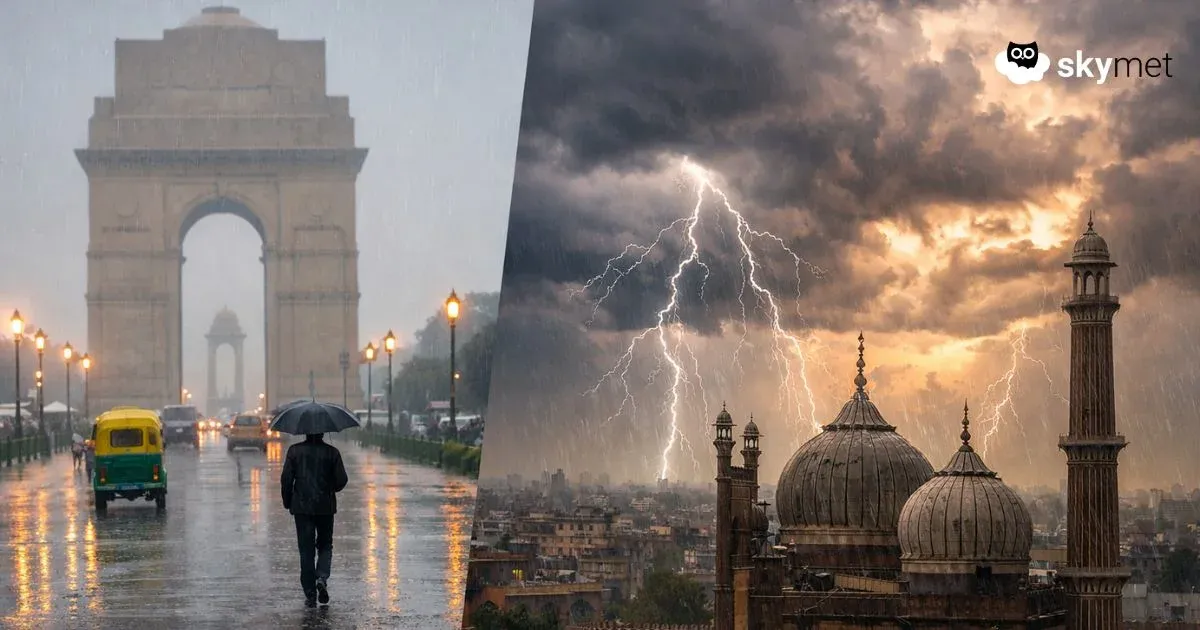
The plains of North India, including Punjab, Haryana, Rajasthan, and Uttar Pradesh, may witness fairly widespread weather activity between March 18 and March 20, 2026. Maharashtra and adjoining parts of Madhya Pradesh may experience pre-monsoon thunderstorms, bringing relief from extreme heat, especially across Vidarbha. Bihar, Jharkhand, and West Bengal are likely to see the opening spell of thunderstorms between March 21 and March 22. Pre-monsoon circulation and a north-south wind discontinuity over the interior parts of the South Peninsula may trigger weather activity between March 18 and March 21. Gujarat may witness the least weather activity, but the state will remain protected from any extreme heat during the next one week.