West India Heatwave Begins as Barmer, Vidarbha Temperatures Touch 40°C

Key Takeaways:
- Several regions in West and Central India recorded temperatures touching or exceeding 40°C during the first week of March.
- Barmer reached 40°C, marking the beginning of heat wave conditions in the region.
- Cities like Akola, Pilani, and Solapur also recorded temperatures above 40°C.
- Persistent dry weather, anticyclonic circulation, and weak Western Disturbances are driving the early heat surge.
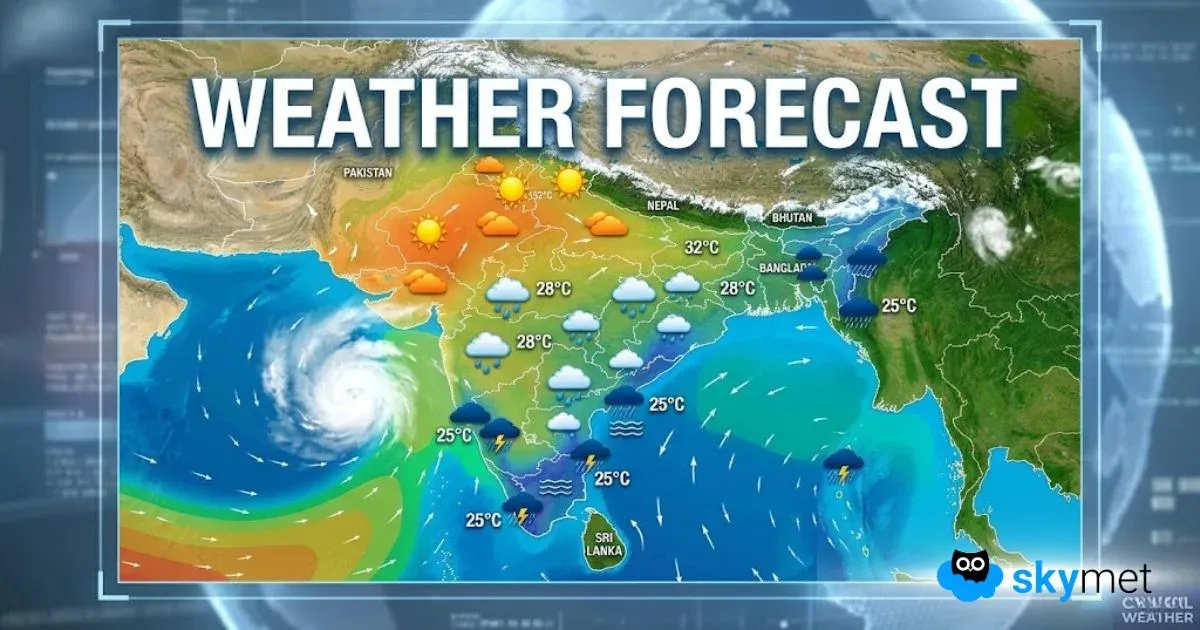
The first week of March has remained unusually hot across several parts of India. Many regions, particularly South Rajasthan, Gujarat, Maharashtra, and isolated pockets of Odisha, have recorded significantly above-normal temperatures. The sudden rise in mercury levels during the early days of March has raised concerns about a premature onset of summer conditions.
On March 9, Barmer in Rajasthan recorded a maximum temperature of 40°C, which is about 6.5°C above normal. Technically, a heat wave has commenced in Barmer. Similarly, several other locations also witnessed temperatures touching or crossing the 40°C mark. Akola in Vidarbha recorded 40.9°C, while Pilani reached 40.2°C. Solapur also touched 40.2°C, and cities such as Rajkot and Surendranagar in Gujarat reported temperatures close to 40°C.
Even the national capital, Delhi, experienced an unusual spike in temperature, recording a maximum of 35.6°C, which is 7.2°C above the seasonal average. Such significantly high temperatures during the first ten days of March have rarely been observed during the last 15 years.
Reasons for the Premature Heat
Several meteorological factors are contributing to this early surge in temperatures across West and Central India.
Firstly, weather conditions have remained extremely dry over most parts of the country during the past several days. Skies have been largely clear, allowing uninterrupted solar heating during the daytime. With minimal cloud cover, the sun’s radiation has been strong enough to push daytime temperatures sharply upward.
Secondly, dry and warm winds from the west and northwest have been sweeping across northwestern and central parts of the country. These winds are carrying warm air masses from arid regions, further intensifying the heat over Rajasthan, Gujarat, and parts of Maharashtra.
Another important factor is the presence of an anticyclone over western parts of Rajasthan. Anticyclonic circulation generally leads to subsiding air, which suppresses cloud formation and results in clear skies and rising temperatures.
Weak Western Disturbances
The intensity and frequency of Western Disturbances have also remained relatively low this season. Strong Western Disturbances usually bring rain and snowfall over the Western Himalayas, which helps keep temperatures in check across northern India.
However, this winter witnessed very little snowfall over the Western Himalayas, and winter rains were almost absent over the northern plains. The lack of moisture and precipitation has contributed to persistent dry conditions, accelerating the rise in temperatures.
Outlook for the Next Few Days
Weather models indicate that no significant drop in temperatures is expected during the next two to three days. Daytime temperatures are likely to remain well above normal across several parts of Rajasthan, Gujarat, Maharashtra, and adjoining central regions.
In fact, heat wave conditions have already been reported from parts of Rajasthan, Gujarat, and Vidarbha, and these conditions may persist in the short term.
Overall, the current pattern suggests that summer-like conditions have arrived earlier than usual across West and Central India, driven by persistent dry weather, weak Western Disturbances, and dominant high-pressure systems over the region.
Trending: El Nino Redefined: 'RONI' Replaces 'ONI'