Prolonged Rain Spell to Lash Northwest India from March 28, Relief from Heat Likely

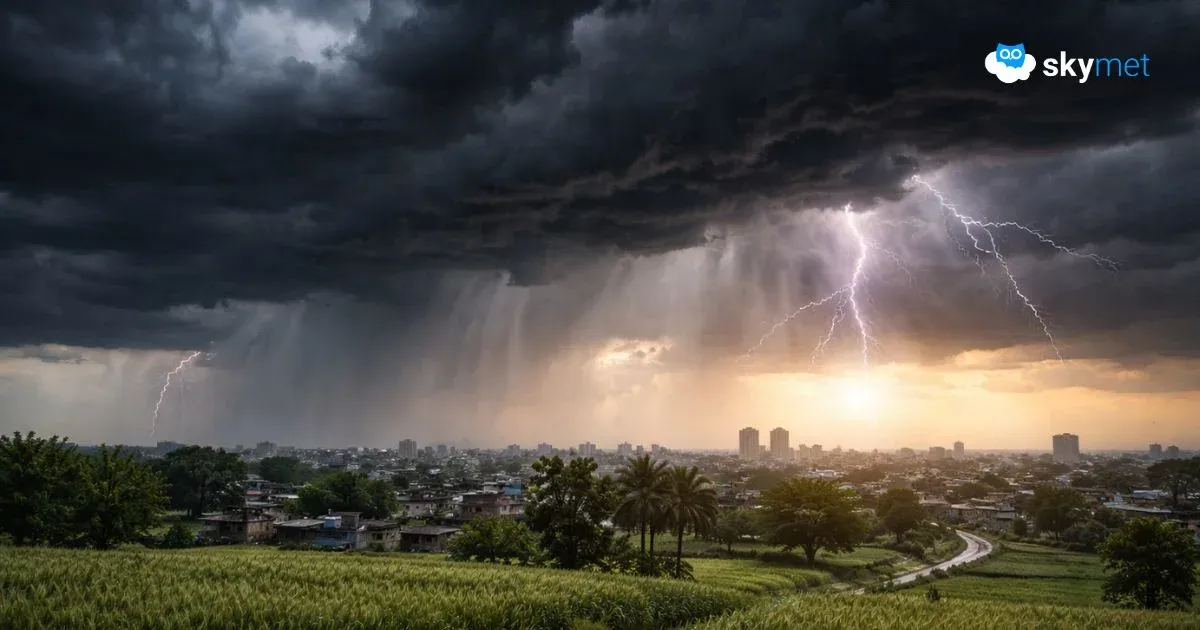
Representational Image: AI-Skymet
Key Takeaways:
- Fresh Western Disturbance to impact Northwest India from March 28
- Rain and thunderstorms to intensify on March 29 across northern plains
- Rain belt to extend into Uttar Pradesh and Madhya Pradesh by March 30–31
- Prolonged rain likely till April 1–2, with potential crop damage risk
After a largely dry February and early March, weather conditions across Northwest India have shifted towards a wetter phase. Over the past few days, several states, including Punjab, Haryana, Delhi, West Uttar Pradesh, and parts of Rajasthan, have experienced spells of rain, thunderstorms, and gusty winds, marking a clear transition in seasonal patterns.
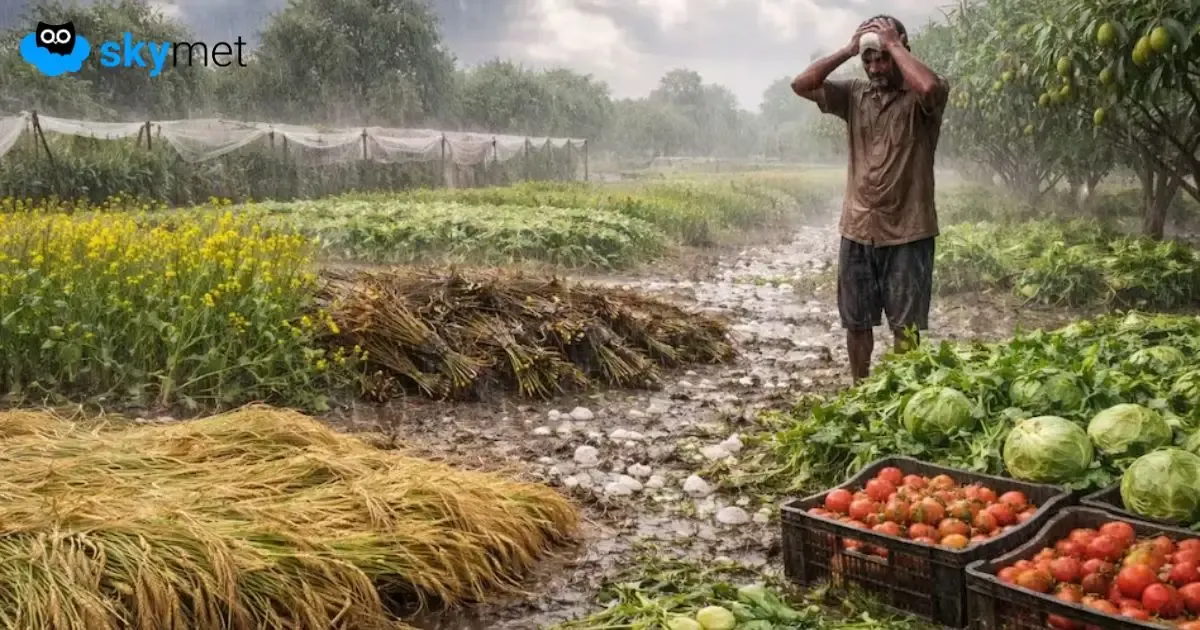
This recent rainfall has helped bring down temperatures, preventing the early onset of heatwave conditions across the northern plains. However, the unseasonal nature of this activity has raised concerns, particularly for farmers, as standing crops remain vulnerable to damage due to strong winds, lightning, and intermittent showers.
A fresh and relatively strong Western Disturbance is now approaching and is expected to begin influencing weather conditions from the night of March 28. As the system progresses, it will impact a wide region, extending from Northwest India into parts of Central India.
Rain and thunderstorm activity is likely to begin over Punjab, Haryana, Delhi, and northern as well as northwestern Rajasthan from the night of March 28. By March 29, the intensity and coverage are expected to increase, with most districts across these states likely to experience rain along with thunderstorms and gusty winds.
As the system advances further, the rain belt is expected to shift eastward and southward. By March 30 and 31, rainfall activity is likely to extend into Central Uttar Pradesh and northern Madhya Pradesh, where moderate rain and thunderstorms may occur in several areas.
This spell is expected to continue until April 1 or 2, although short breaks in activity cannot be ruled out. Overall, the prolonged rain will help maintain comfortable temperatures and delay the buildup of intense summer heat across Northwest India.
Despite the relief from rising temperatures, the impact on agriculture remains a key concern. Strong winds, lightning strikes, and unseasonal rainfall may damage standing crops, posing challenges for farmers during this critical period.
In summary, while the upcoming rain spell will improve weather conditions across Northwest and adjoining Central India, it also highlights the need for caution due to potential agricultural losses.